Closing the garden: an 8-point checklist before the first frost
Drain the water, bring in the clay pots, last mow, lift the dahlias, when to cover roses, tie up the thujas, leaves and slugs – the order of jobs for a garden in Estonia.
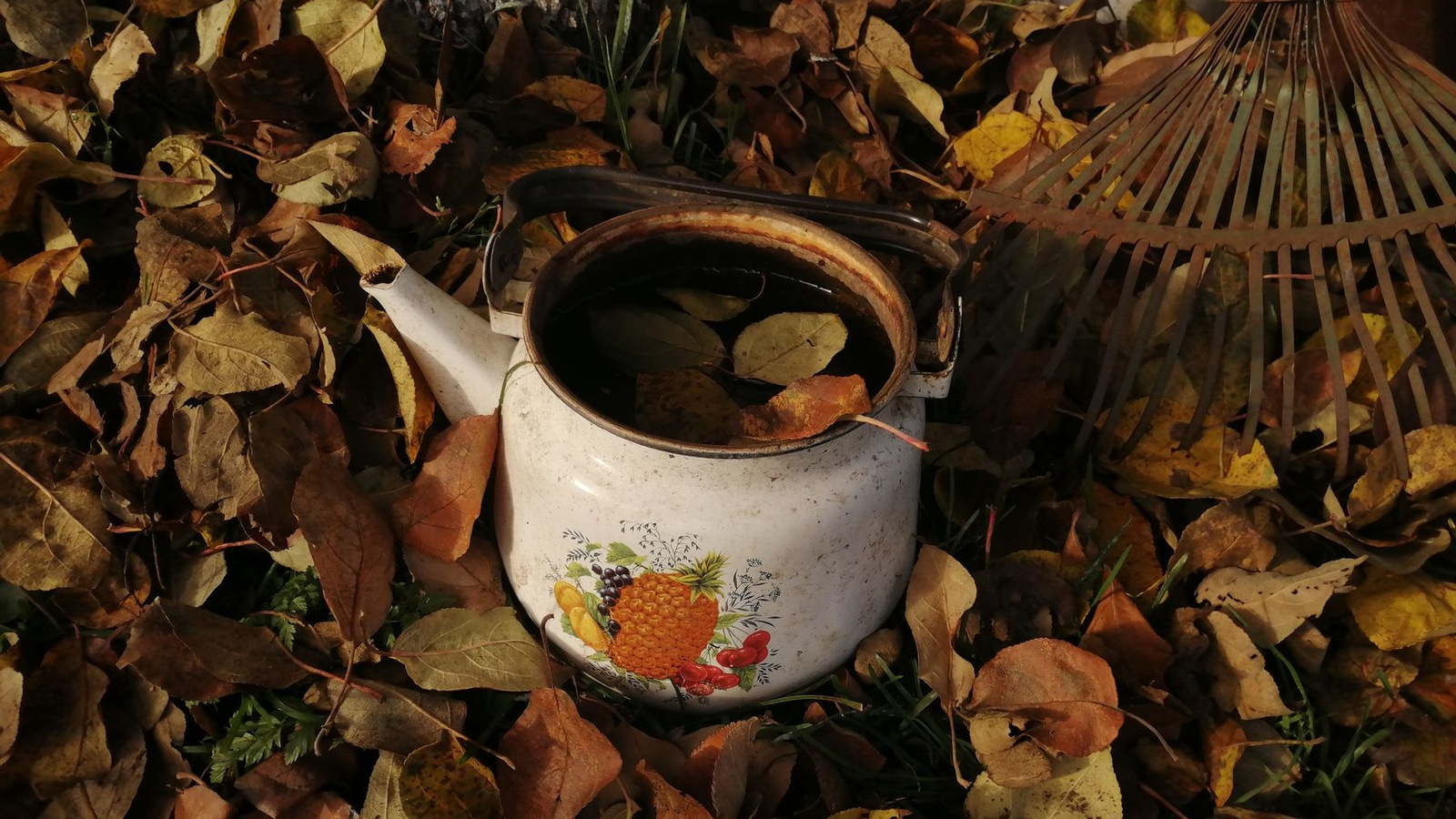
In Estonia the first frosts arrive in mid to late October, and by then the garden should be closed down by the list: drain hoses and barrels, bring in ceramics, mow the lawn to 5–6 cm, lift dahlias after the first frost and cover roses only after a steady −5 °C. The eight points below are in the order they are best done.
1. Drain hoses, barrels and taps
Water in a hose or outdoor tap freezes in one night at −3 °C and splits plastic and brass. Drain and coil the hoses and put them in the shed, tip the barrels over, shut the outdoor taps from inside the house and open them outside so the water runs out. Blow out drip irrigation lines.
2. Bring in clay pots and ceramics
Unglazed ceramic absorbs water; when it freezes it expands and splits the walls – cracks show after the first winter. Empty the pots, dry them and store under a roof. Plastic and concrete can stay, raised on feet so water doesn’t stand under the base.
3. Last mow – 5–6 cm
Mow while the grass grows, that is until a steady +5 °C. The last cut at 5–6 cm: shorter and the grass weakens and freezes, longer and it lies flat under the snow and rots, leaving patches of snow mould in spring. Rake leaves off the lawn: under them the grass yellows in two weeks.
4. Lift dahlias and gladioli after the first frost
The signal is blackened leaves after the first minus. Lift the next day: cut stems to 10 cm, don’t wash the tubers, just shake off the soil. Dry for a week in a cool, airy place, not on a radiator. Store at +4…+8 °C in sand, peat or a paper bag in the fridge vegetable drawer; check monthly and discard soft tubers. Gladioli the same, but dry for two to three weeks and store in a net or paper bag.
5. Roses: earth up after −5, cover after −10
The main mistake is covering too early. Under cover in a warm, damp autumn roses rot and fall ill. The order: after the first frosts strip the leaves and unripened shoots, earth up the base of the bush 20–30 cm with soil or compost (not peat – it holds water), and put up the frame with fleece only after a steady −5…−10 °C, usually in November or early December. Take climbing roses off their supports and lay them on spruce branches.
6. Thujas and columnar junipers – tie up
Wet snow breaks and splays the crowns of columnar conifers. In November tie the crown with twine in a spiral from the bottom up, not too tight. Shade young thujas on the south side from the February sun with hessian or shade netting: conifers scorch in winter not from frost but from sun while the roots are frozen. And water conifers generously before the ground freezes – that is their water store for winter.
7. Leaves: leave under shrubs, clear from the lawn
Fallen leaves under shrubs and trees are cover for the roots and food for the soil; by spring the worms will have processed them. Clear leaves only from the lawn, from paths and from under plants that had leaf-spot diseases (roses, apple trees with scab) – that foliage does not go in the compost.
8. Compost and boards – check for slug eggs
Slugs lay eggs until the end of October: clear 2–3 mm balls in clusters under boards, stones, in the compost and under pots. One clutch is up to 200 eggs, and every clutch removed in autumn means hundreds of slugs that won’t appear in spring. Lift everything lying on the ground and collect the clutches. Where slugs were numerous, scatter iron phosphate pellets: they are safe for hedgehogs, birds and pets and work until the frosts.
What not to do
- Don’t cover roses and clematis in a warm autumn “just in case”
- Don’t cut the lawn short “to last till spring”
- Don’t prune trees and shrubs in late autumn: the wounds won’t heal before the frost. Prune in late winter
- Don’t apply nitrogen fertiliser: late growth freezes. In autumn only potassium and phosphorus
- Don’t leave water in barrels and hoses “for another week”
Frequently asked questions
When to cover roses in Estonia?
Earth up after the first frosts, cover with a frame only after a steady −5…−10 °C, usually in November. Covering early is more dangerous than late: the roses rot.
Do I need to lift dahlias if the winter is forecast to be mild?
Yes. Dahlia tubers don’t survive frozen ground, and in Estonia the ground freezes every winter. The first minus blackens the leaves – lift the next day.
How high should the last mow be?
5–6 cm. Mow as long as the grass is growing, usually until the end of October.
How to deal with slugs in autumn?
Collect the egg clutches under boards and in the compost, and scatter iron phosphate pellets on the beds – they are safe for hedgehogs and pets.
From our catalogue
Slug and disease controls are in the plant protection section, nitrogen-free feeds under autumn fertilisers.