Daffodils: why mice never eat them and how to plant in Estonia
The one spring bulb rodents leave alone. Planting dates for Estonia, depth, spacing, care after flowering and the two varieties we have in stock.
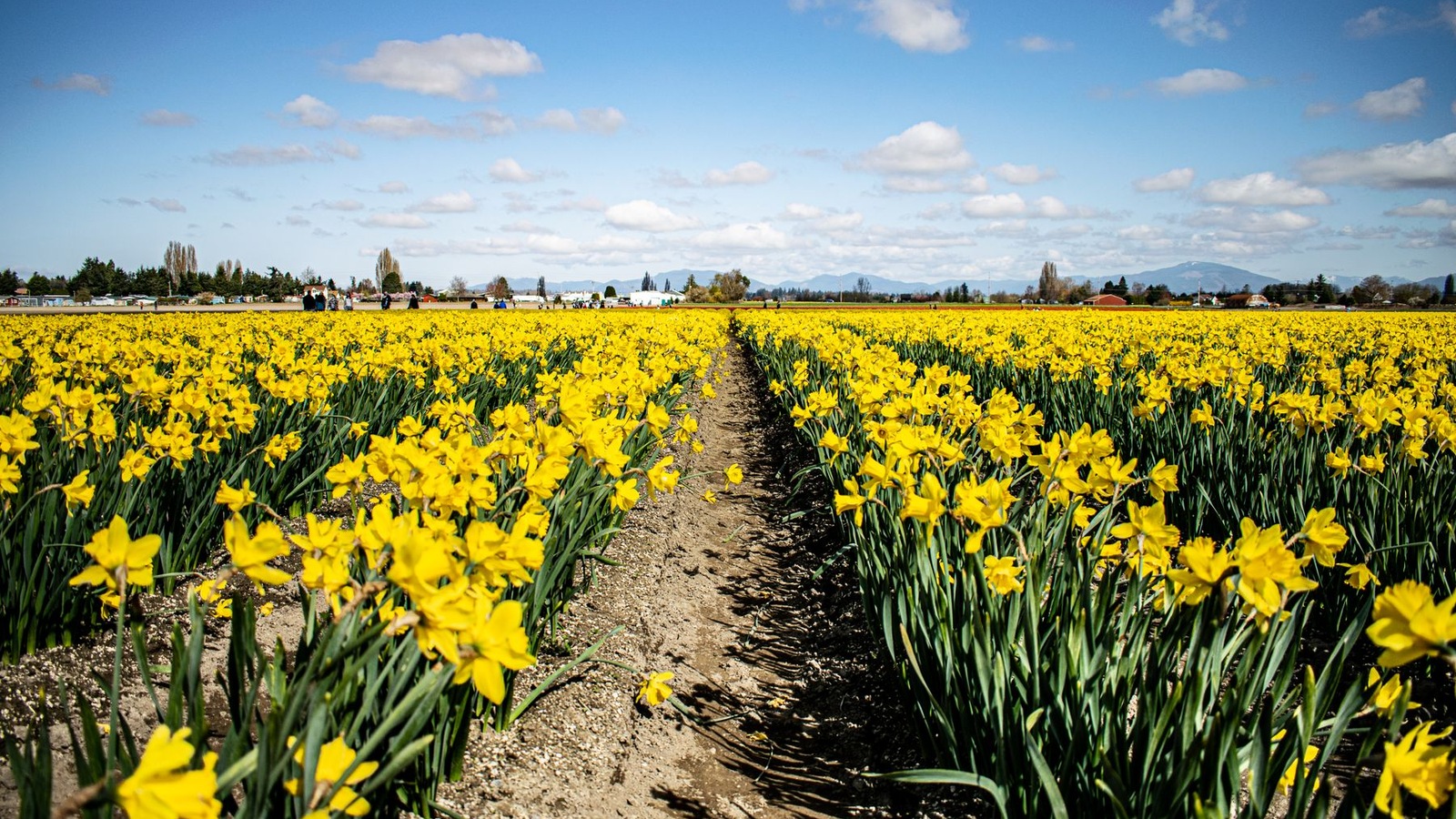
The daffodil is the only popular spring bulb that mice and voles do not touch: every part of the plant contains the alkaloid lycorine, which is toxic to rodents. That is why daffodils flower in the same spot for decades while tulips and crocuses in the same bed “disappear” within a winter or two. In Estonia daffodils are planted from September until the ground freezes – October is not too late.
Why mice eat tulips but not daffodils
Voles spend the winter under the snow and eat what they find in the soil. A tulip or crocus bulb is a sweet store of starch to them. A daffodil bulb is bitter and poisonous: lycorine causes vomiting and pain, and rodents quickly learn to leave it alone. Crown imperial and glory-of-the-snow have the same effect.
Two practical tricks follow from this:
- A ring of daffodils around a group of tulips – a vole digging its tunnel runs into the bitter bulbs and turns back
- Daffodils where tulips “won’t live”: next to the compost heap, along the fence, under old apple trees – anywhere rodents are plentiful
Important: lycorine is also toxic to cats and dogs. Store bulbs out of their reach and don’t leave them lying on the path while planting.
When to plant in Estonia
A daffodil needs 4–6 weeks to root before the soil freezes. The best window is mid-September to mid-October, but you can plant as long as the spade goes into the ground: our soil usually freezes in November or December. A bulb planted in late October roots in the warm soil under the snow and flowers one or two weeks later than one planted in September – that is the only difference.
If you have bought bulbs and the ground is already frozen: plant them in a pot, keep it cool (+2…+8 °C, a cellar or unheated balcony) and plant out with the root ball in spring.
Depth and spacing
- Depth – three times the height of the bulb, measured from the base. For a large Carlton bulb (14–16 cm circumference) that is about 15 cm, for the small Jet Fire 10–12 cm
- Spacing – 10 cm. Plant in groups of 5–7: a single daffodil in a row looks poor, while a group turns into a clump within three years
- Base down, pointed end up. If in doubt, lay the bulb on its side – it will right itself
- Position: sun or part shade, no standing water. On heavy clay put a handful of sand in the bottom of the hole
- No winter cover needed. Daffodils overwinter in Estonia without protection; a 3–5 cm compost mulch is optional
Care after flowering – where the flowers get lost
The most common mistake is cutting or tying up the leaves straight after flowering. For six weeks after flowering the leaves feed the bulb and form next year’s flower bud. Cut them only once they have yellowed and collapsed on their own. Pinch off the dead flower heads so the plant doesn’t spend energy on seed.
Divide and replant daffodils every 4–5 years, when they start to flower less: lift in July–August after the leaves die down, split the clump and replant in September.
What not to do
- Don’t plant shallow: a bulb at 5 cm freezes and gets smaller every year
- Don’t put fresh manure in the hole: the bulbs rot
- Don’t plant in a hollow where water stands in spring
- Don’t trim the leaves “for tidiness” before they turn yellow
Frequently asked questions
Is late October too late to plant daffodils?
No, as long as the ground can still be dug. The bulb roots under the snow and flowers in spring, a week or two later than one planted in September.
Why did my tulips vanish over winter while the daffodils stayed?
Almost always voles: they eat the sweet tulip and crocus bulbs and leave the bitter daffodil bulbs alone.
Do daffodils need lifting for the summer?
No. Daffodils stay in place for 4–5 years without lifting. Divide them only when flowering weakens.
What is the difference between Carlton and Jet Fire?
Carlton is a classic large yellow daffodil, 40 cm tall, flowering late April to May. Jet Fire is a low (25 cm) cyclamineus type with an orange trumpet and swept-back petals; it flowers earlier, in April, and looks good in pots and along paths.
From our catalogue
- Narcissus trumpet "Carlton"0,70 €
- Narcissus "Jet Fire"3,90 €
All bulbs for autumn planting are in the bulbs section.