Houseplants in winter: watering, light and radiators
From November to February houseplants in Estonia rest. How much to water by group, which plants to move away from the radiator, whether you need a grow light and why feeding should wait until March.
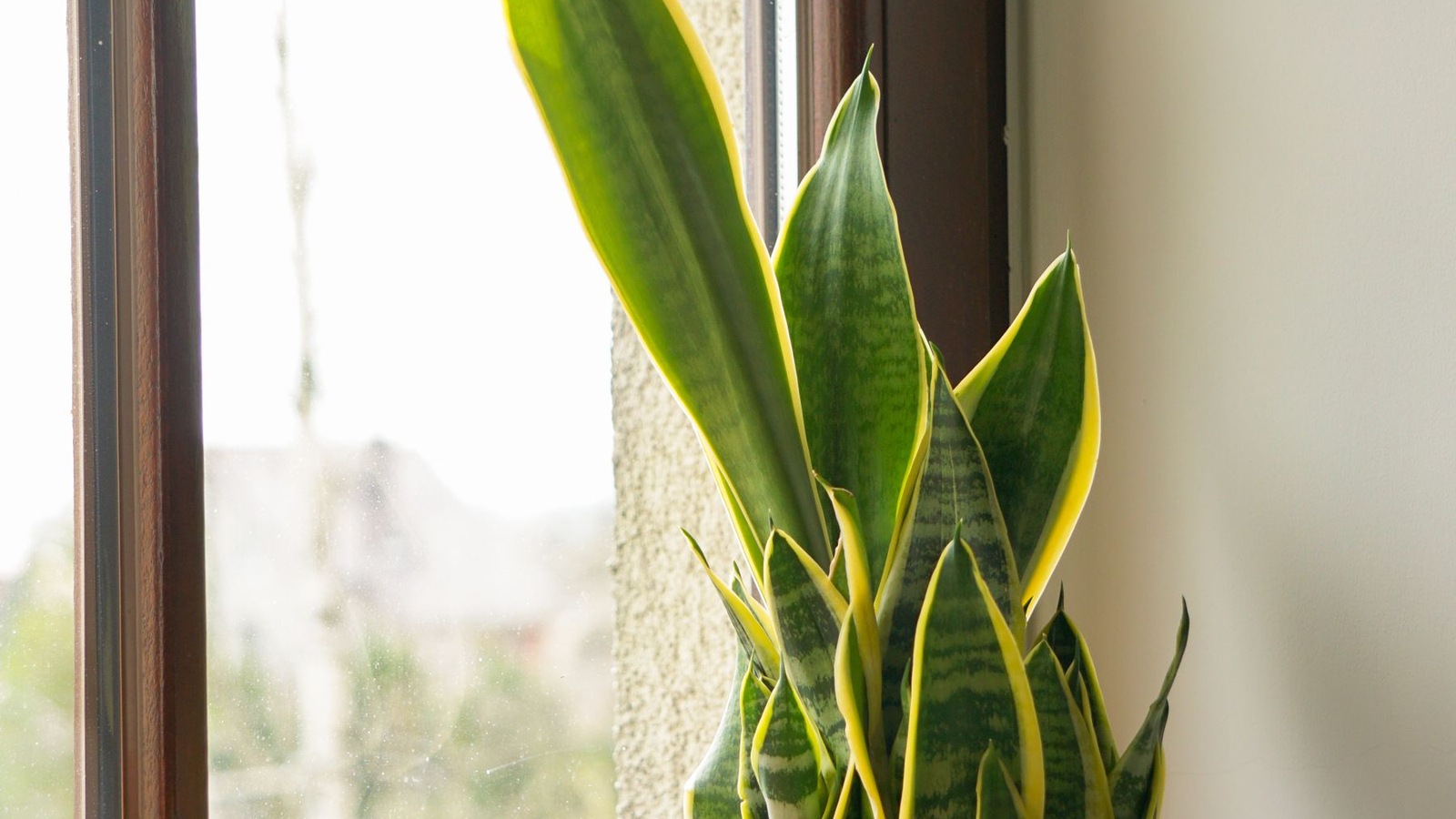
In winter a houseplant in Estonia gets several times less light than in summer and barely grows. It needs less water, no fertiliser and protection from the dry air above the radiator. One rule: water by the dryness of the soil, not by the calendar – and your plants will reach March without losses.
Watering: a table by group
Guidelines for a flat at +20…+22 °C. Before every watering, a finger 3–4 cm into the soil.
- Succulents and cacti (echeveria, haworthia, gasteria, aloe, mammillaria, opuntia) – every 3–4 weeks, when the soil is completely dry. Lithops get no water at all from October to March: the old leaves pass their water to the new ones
- Thick leaves and rhizomes (sansevieria, zamioculcas, peperomia, pachira, hoya) – every 2–3 weeks. Better too little: these plants store water themselves
- Vines and large-leaved plants (monstera, philodendron, pothos, syngonium, alocasia) – every 7–10 days, when the top 3 cm are dry. An alocasia may drop some leaves in winter – that is normal, the tuber is alive
- Thin-leaved and moisture-loving plants (calathea, maranta, ferns, fittonia, begonia) – every 5–7 days, soil slightly moist but no water in the saucer
Use room-temperature, settled or filtered water: calathea and maranta react to chlorine and hard water with brown leaf edges.
Radiators: who to move away
The air above a working radiator is at 20–30 % humidity, like a desert. A thin leaf loses moisture faster than the roots can supply it, and the edges dry within a week.
- Must be moved: calathea, maranta, fittonia, ferns, spathiphyllum
- Will cope: sansevieria, zamioculcas, succulents, pothos, aglaonema, chlorophytum
What helps the moisture lovers: a tray of wet clay pebbles under the pot (the pot base not in water), a humidifier nearby, grouping plants together – they create their own microclimate. Misting works for half an hour and causes leaf spots – not worth the time.
Light: where to move them
In December daylight in Tallinn lasts six hours and the sun is low. Move plants closer to the window: a metre from the glass there is already three to four times less light than on the sill. Clean the glass and the leaves – dust eats up to 20 % of the light.
A lamp is needed for seedlings, African violets and plants on a north window that are visibly stretching. The rest are fine with a window: they don’t grow in winter and have enough light to tick over. If you do add a lamp – an ordinary 10–15 W LED at 20–30 cm, 10–12 hours a day on a timer.
Feeding and repotting – wait until March
In winter the plant doesn’t grow and doesn’t take up fertiliser – salts build up in the soil and burn the roots. The last feed is in September, the next in March when new leaves appear. The exception is plants under a lamp that keep growing: half a dose once a month.
Repotting also waits until spring. In winter repot only in an emergency – after overwatering and root rot.
What not to do
- Don’t water on the summer schedule
- Don’t stand pots on a cold windowsill without a base: roots rot in cold wet soil. Cork, polystyrene or a wooden board solves it
- Don’t leave plants in a draught while airing the room: a calathea drops its leaves after ten minutes of cold air
- Don’t buy plants in frost without wrapping: five minutes outside at −10 °C and a tropical plant won’t recover
Frequently asked questions
Why do my calathea’s leaf edges dry in winter?
Dry air above the radiator and hard water. Move it away from the radiator, stand it on a tray of wet clay pebbles and water with settled or filtered water.
Do houseplants need a grow light in winter?
Most don’t: they don’t grow in winter and a window is enough. A lamp is for seedlings, African violets and stretching plants on a north window.
Can I feed plants in winter?
No, except those growing under a lamp. Fertiliser without growth builds up in the soil and burns the roots. The next feed is in March.
My alocasia has dropped its leaves – is it dead?
Usually not. Alocasia often goes dormant in winter, keeping 1–2 leaves or only the tuber. Water very rarely, keep it warm – it will produce new leaves in March.
From our catalogue
- Calathea assorted8,00 €
- Aglaonema mixed AGLAO GEM15,00 €
- Sansevieria "Moonshine"9,90 €
- Scindapsus pictus "Trebie"15,00 €
- Lithops5,00 €
- Begonia maculata "Wightii"15,00 €
- Watering fertilizer for indoor plants Baltic Agro 300 g4,00 €
All houseplants are in the houseplants section, spring fertilisers under houseplant fertilisers.